
Why Blazor Server Deployments Need Planning
Blazor Server can be a strong option for enterprise applications because it lets .NET teams build interactive web experiences while keeping most application logic on the server. That model is productive, but it also changes how teams need to think about hosting, scale, and operational reliability.
Unlike a purely static web client, Blazor Server depends on persistent SignalR connections between the browser and the server. That means production planning must include connection stability, server resources, load balancing, authentication, and recovery behavior.
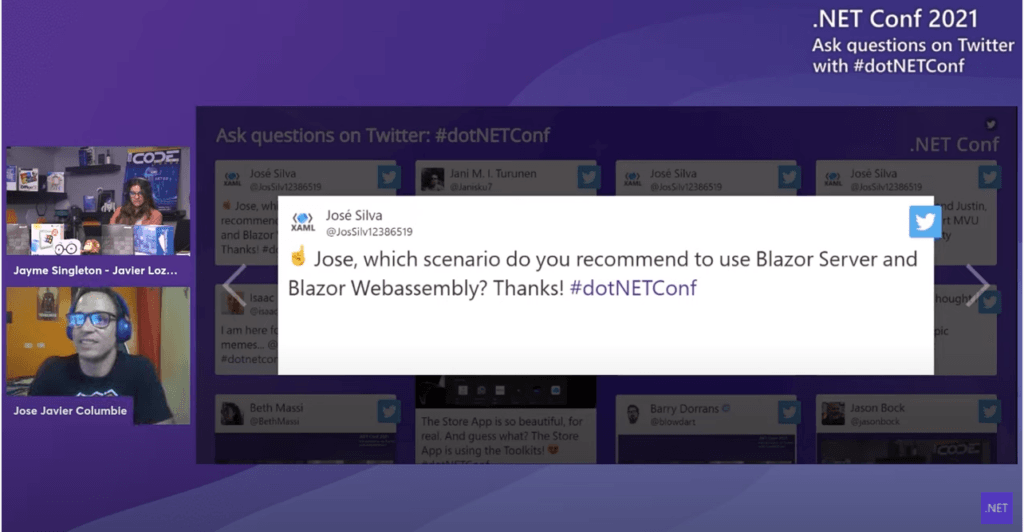
Watch The Session
Enterprise Hosting Considerations
- Session state and connection lifetime: Blazor Server applications need a realistic plan for reconnects, browser refreshes, and transient network failures.
- Load balancing: Production deployments may require sticky sessions or a SignalR backplane depending on the hosting topology.
- Identity and security: Authentication, authorization, and claims handling should be designed before the UI grows around assumptions.
- Observability: Logging, metrics, tracing, and health checks are needed to understand real user behavior and production incidents.
Deployment Patterns Xari Looks For
For client systems, we prefer deployment pipelines that make environment configuration explicit. Application settings, connection strings, secrets, certificates, logging targets, and feature flags should be managed without manual server edits.
On Azure, that often means using App Service, deployment slots, Application Insights, Key Vault integration, and automated releases. In other environments, the same principles still apply: repeatable builds, controlled configuration, and predictable rollback paths.
Scaling Blazor Server
Scaling a Blazor Server application is not just increasing CPU and memory. Teams also need to understand concurrent connections, circuit state, network latency, and how load balancers distribute users across instances.
The right approach depends on the application profile. An internal line-of-business system, a customer portal, and a real-time operations dashboard can all have different scaling requirements even if they use the same framework.
How Xari Helps
Xari helps teams evaluate whether Blazor Server fits a given business application, design the hosting architecture, and prepare the deployment model for production. We can also help modernize existing ASP.NET applications, integrate DevExpress UI/reporting components, and connect Blazor applications to enterprise APIs and data systems.
Adapted from the original xafmarin post and session recording: .NET Conf 2021 - Host, deploy and scale ASP.NET Core Blazor Server.
Related Services
Web Development | Custom Software Development | XAF Consulting | Engineering Augmentation Services
